Narrative Realism in Ukrainian TV News Layout: Editorial Strategies and Viewer Engagement (2004-2020)
DOI:
https://doi.org/10.17721/CIMC.2024.35.61-72Ключові слова:
телевізійні новини, телевізійна верстка новин, телевізійна верстка, новинний наратив, редакційні стратегіїАнотація
У статті досліджено використання наративних технік і методів представлення контенту в українських телевізійних новинах з 2004 по 2020 рік, з акцентом на те, як змінювались підходи до новинного фреймінгу у відповідь на політичні та соціальні події в країні. Автори проаналізували 531 випуск новин українських телеканалів “1+1”, “Україна” та “Інтер”. Для кількісного аналізу використано статистичні методи обробки даних, а якісний аналіз включав риторичний огляд наративів та технік фреймінгу, що дозволило глибше зрозуміти механізми залучення аудиторії до перегляду новин. Результати свідчать про значну залежність від фреймінгу конфлікту, фреймінгу економічних наслідків та наративів, орієнтованих на героїв сюжетів, які використовуються для посилення залучення та розуміння глядачів. Ієрархічне структурування та модульний дизайн були визначені як ключові методи репрезентації, що відображають адаптивність до потреб мовлення в реальному часі та вподобань аудиторії. Висновки дослідження демонструють, як медійні стратегії впливають на формування політичної свідомості та культурних орієнтирів у суспільстві, підкреслюючи роль медіа як активного учасника в політичних та соціальних процесах. Ці висновки мають значення для медіапрактиків та політиків, оскільки підкреслюють важливість наративного реалізму та етичних підходів до виробництва новин. Результати мають практичне значення для посилення наративного залучення та пропонують критичний погляд на аспекти наративних стратегій у новинному мовленні. Крім того, результати дослідження створюють основу для майбутніх досліджень впливу цифрової трансформації на структури наративних моделей новин, пропонуючи напрямки для подальшого вивчення цифрових форматів новин і кроскультурної репрезентації.
Завантажити
Посилання
Alencar, A., & Kruikemeier, S. (2016). Audiovisual infotainment in european news: A comparative content analysis of Dutch, Spanish, and Irish television news programs. Journalism, 19(11), 1534–1551. https://doi.org/10.1177/1464884916671332.
Bucy, E. P., & Grabe, M. E. (2007). Taking television seriously: A sound and image bite analysis of presidential campaign coverage, 1992-2004. Journal of Communication, 57(4), 652–675. https://doi.org/10.1111/j.1460-2466.2007.00360.x.
Cacciatore, M. A., Scheufele, D. A., & Iyengar, S. (2015). The end of framing as we know it … and the future of media effects. Mass Communication and Society, 19(1), 7–23. https://doi.org/10.1080/15205436.2015.1068811.
Cho, H., Shen, L., & Wilson, K. (2012). Perceived realism. Communication Research, 41(6), 828–851. https://doi.org/10.1177/0093650212450585.
Coleman, M., Reynolds, A., & Torbati, A. (2020). The relation of black-oriented reality television consumption and perceived realism to the endorsement of stereotypes of black women. Psychology of Popular Media, 9(2), 184–193. https://doi.org/10.1037/ppm0000223.
Dahlstrom, M. F. (2013). The moderating influence of narrative causality as an untapped pool of variance for narrative persuasion. Communication Research, 42(6), 779–795. https://doi.org/10.1177/0093650213487374.
Dunning, H., Williams, A., Abonyi, S., & Crooks, V. A. (2007). A mixed method approach to quality of life research: A case study approach. Social Indicators Research, 85(1), 145–158. https://doi.org/10.1007/s11205-007-9131-5.
Dyczok, M. (2009). Ukraine’s media in the context of global cultural convergence. Palgrave Macmillan. https://doi.org/10.1057/9780230101764.
Entman, R. M. (1993). Framing: Toward clarification of a fractured paradigm. Journal of Communication, 43(4), 51–58. https://doi.org/10.1111/j.1460-2466.1993.tb01304.x.
García-Castro, J. D., & Sánchez, R. P. (2018). Fear of crime and cultivation effect. social and psychological predictors. Universitas Psychologica, 17(3), 1–14. https://doi.org/10.11144/javeriana.upsy17-3.fcce.
Grabe, M. E., Zhou, S., Lang, A., & Bolls, P. D. (2003). Packaging television news: The effects of tabloid on information processing and evaluative responses. Journal of Broadcasting & Electronic Media, 47(4), 675–694. https://doi.org/10.1207/s15506878jobem4704_10.
Hawkey, J., & Kircher, R. (2022). Mixed-methods approaches to the study of language attitudes. Research Methods in Language Attitudes, 330–345. https://doi.org/10.1017/9781108867788.026.
Johnson, R. B., & Onwuegbuzie, A. J. (2004). Mixed methods research: A research paradigm whose time has come. Educational Researcher, 33(7), 14–26. https://doi.org/10.3102/0013189x033007014.
Krieken, K. V. (2019). Do reconstructive and attributive quotes in news narratives influence engagement, credibility, and realism? Journalism Studies, 21(2), 145–161. https://doi.org/10.1080/1461670x.2019.1632735.
Lang, A. (2000). The limited capacity model of mediated message processing. Journal of Communication, 50(1), 46–70. https://doi.org/10.1111/j.1460-2466.2000.tb02833.x.
Lippmann, W. (1922). Public opinion. Harcourt, Brace and Company.
Scanlan, C. (2003). Writing from the top down: Pros and cons of the inverted pyramid. Poynter Institute. https://www.poynter.org/archive/2003/writing-from-the-top-down-pros-and-cons-of-the-inverted-pyramid/.
Scheufele, D. A. (1999). Framing as a theory of media effects. Journal of Communication, 49(1), 103–122. https://doi.org/10.1111/j.1460-2466.1999.tb02784.x.
Shen, L., Seung, S., Andersen, K. K., & McNeal, D. M. (2018). The psychological mechanisms of persuasive impact from narrative communication. Studies in Communication Sciences, 17(2), 165–181. https://doi.org/10.24434/j.scoms.2017.02.003.
Telenkov, D. (2020). Narrative features of television news layout (on the material of the issues of 2013–2020). Current Issues of Mass Communication, 27, 10–20. https://doi.org/10.17721/2312-5160.2020.27.10-20.
Telenkov, D., Krainikova, T., & Yezhyzhanska, T. (2022). Models of tv news layout: different types of marketing narrative. Innovative Marketing, 18(1), 117–130. https://doi.org/10.21511/im.18(1).2022.10.
Tuchman, G. (1978). Making news: A study in the construction of reality. Free Press.
Zhang, W. and Creswell, J. W. (2013). The use of “mixing” procedure of mixed methods in health services research. Medical Care, 51(8), e51-e57. https://doi.org/10.1097/mlr.0b013e31824642fd.
Завантаження
Опубліковано
Номер
Розділ
Ліцензія
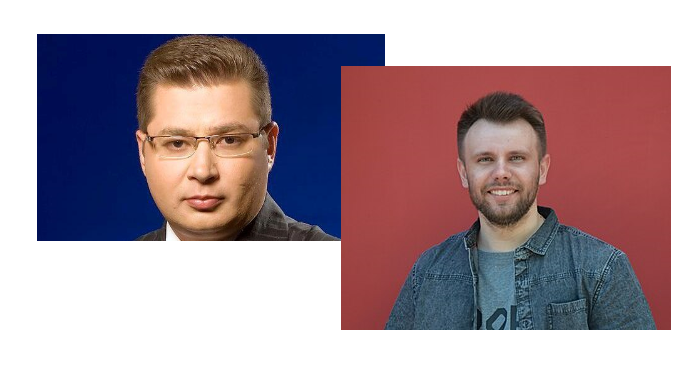
Авторське право (c) 2024 Dmytro Telenkov, Petro Katerynych

Ця робота ліцензується відповідно до ліцензії Creative Commons Attribution 4.0 International License.
Автори, які публікуються у цьому журналі, погоджуються з такими умовами:
- Автори залишають за собою право на авторство своєї роботи та передають журналу право першої публікації цієї роботи на умовах ліцензії CC BY 4.0, яка дозволяє іншим особам вільно розповсюджувати опубліковану роботу з обов'язковим посиланням на авторів оригінальної роботи та першу публікацію роботи у цьому журналі.
- Автори мають право укладати самостійні додаткові угоди щодо неексклюзивного розповсюдження роботи у тому вигляді, в якому вона була опублікована цим журналом (наприклад розміщувати роботу в електронному сховищі установи або публікувати у складі монографії), за умови збереження посилання на першу публікацію роботи у цьому журналі.
- Політика журналу дозволяє і заохочує розміщення авторами в мережі Інтернет (наприклад у сховищах установ або на особистих веб-сайтах) рукопису роботи як до подання цього рукопису до редакції, так і під час його редакційного опрацювання, оскільки це сприяє виникненню продуктивної наукової дискусії та позитивно позначається на оперативності та динаміці цитування опублікованої роботи.